
SMP vs other alopecia treatments: which one is right for you?
You’ve accepted the hair loss. Now you’re trying to figure out what to actually do about it. The options seem endless: transplants, wigs, medications, micropigmentation. Everyone online seems to have a strong opinion. This article cuts through that noise and compares each route honestly, so you can walk away knowing which one fits your situation.
What SMP actually does for alopecia, and what it doesn’t
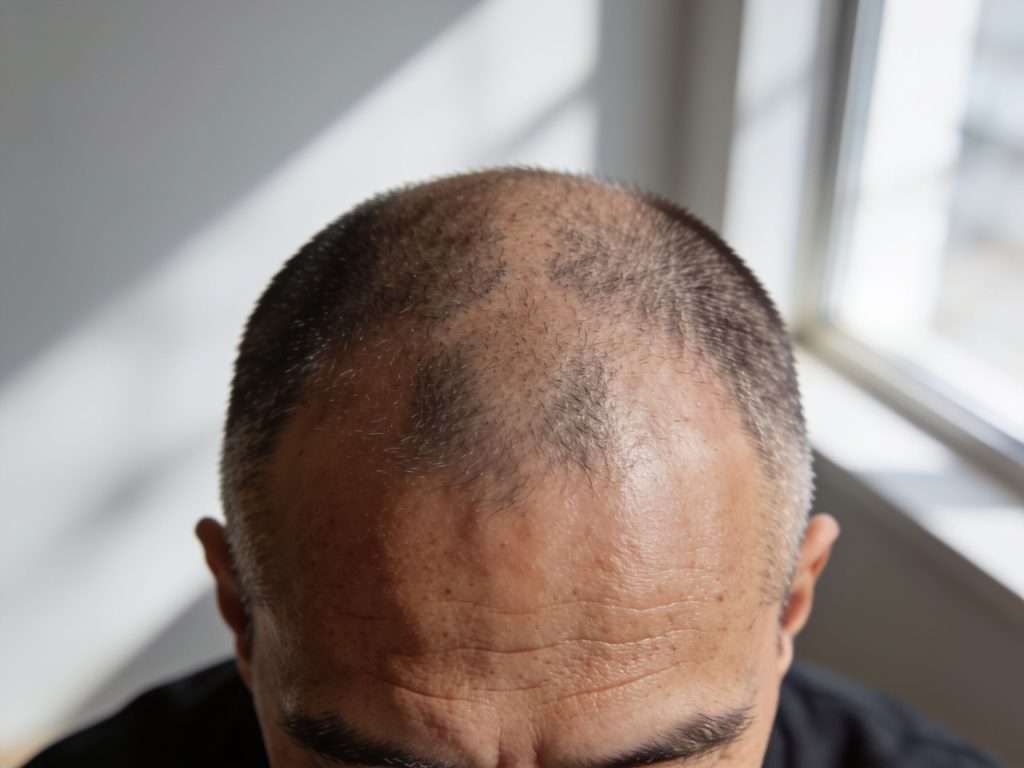
Scalp micropigmentation deposits medical-grade pigment into the scalp using a fine needle, creating the visual impression of hair follicles. It does not regrow hair, affect your follicles, or treat any underlying cause. What it does is reduce the contrast between your scalp and your hair, making hair loss far less visible.
For alopecia sufferers specifically, that matters enormously. Whether you have androgenetic alopecia, alopecia areata, alopecia totalis, or hair loss from chemotherapy, SMP can camouflage the affected areas. On healed skin, the result looks like a close-cropped head of hair or, for diffuse thinning, a fuller and denser scalp. A 2025 case series reported mean satisfaction scores of 2.7 out of 3, with 85.7% of androgenetic patients describing themselves as very satisfied.
Treatment takes two to four sessions, each lasting one to five hours, spaced several weeks apart to allow healing and to let the practitioner assess how the pigment has settled before adding density. Most clients reach their target result within that window.
Hair transplants: the case for and the hard limits
A hair transplant physically moves follicles from a donor area to a thinning one. If it works well, you get real, growing hair, which is genuinely appealing. However, transplants come with conditions that rule out a significant proportion of alopecia patients.
The most important condition is that you need a reliable donor site. For male or female pattern baldness where the back and sides remain dense, this is often viable. For alopecia areata or totalis, where loss is patchy or total, donor hair may be scarce, unpredictable, or located in areas that are themselves at risk. Transplanting into active alopecia areata zones is particularly problematic because the autoimmune process can attack the newly placed follicles.
Cost in the UK typically runs from £3,000 to £15,000 depending on the extent of coverage and the clinic. Recovery involves weeks of visible scarring, scabbing, and a shedding phase before regrowth begins, with results taking 9 to 18 months to fully appear. Transplants are also irreversible, so the decision carries significant weight. SMP, by contrast, is less invasive, quicker to produce results, and considerably less costly, making it a more accessible starting point for many people.
Wigs, hairpieces, and topical treatments: honest pros and cons
Wigs and hairpieces are the most flexible option available to alopecia patients, especially those with alopecia totalis or chemotherapy-related loss where SMP or transplants may not be suitable as standalone solutions. A high-quality human-hair wig can look completely natural and gives you the option to change style. The downsides are equally real: ongoing cost, daily maintenance, adhesive sensitivities, and the psychological burden of removal at the end of each day.
Topical treatments such as minoxidil can slow hair loss progression in androgenetic alopecia and, in some cases, support modest regrowth. They do not work for scarring alopecias or alopecia totalis, and they require daily application indefinitely, as stopping treatment typically reverses any benefit within months. Finasteride is sometimes prescribed for male pattern baldness and works on a similar ongoing basis.
SMP pairs well with both of these approaches. Some clients use SMP to treat visible scalp areas beneath thinning hair while continuing with minoxidil. Others with total hair loss choose SMP for a clean, defined look rather than relying on a wig every day. The two approaches are not mutually exclusive, and choosing SMP for alopecia does not mean abandoning other tools that are working for you.
When SMP is the stronger choice and when it isn’t
SMP tends to be the stronger option when you want visible results quickly, when surgery is not appropriate for your pattern of loss, when budget is a realistic consideration, or when you simply do not want the recovery burden of a transplant. It is also worth considering if you have had a transplant that left scarring or patchy density, as SMP is widely used to correct those outcomes.
There are genuine situations where SMP is not the right first call. Active scalp conditions including psoriasis flare-ups, eczema, or acne need to be resolved before treatment. Keloid-prone skin is a contraindication. For someone in the middle of chemotherapy whose hair loss may partially reverse, timing also matters: beginning SMP before hair loss has stabilised can mean the healed result no longer matches the final picture.
Longevity sits at roughly three to six years before a touch-up is needed, though this varies. Factors that accelerate fading include high sun exposure, oily skin, and certain medications. Applying SPF 30 to 50 to the scalp daily after healing slows that process meaningfully. The ongoing maintenance burden is low compared to wigs or topical treatments: one touch-up appointment every few years rather than a daily routine.
Cost for SMP in the UK typically ranges from £400 to over £2,000 depending on the extent of coverage required and the practitioner’s experience. It is worth breaking that down by session count when comparing quotes, and factoring in the touch-up appointment that will likely be needed several years down the line. Insurance does not cover it.
Frequently Asked Questions
Can SMP be used for alopecia areata specifically?
Yes, SMP can camouflage patchy hair loss from alopecia areata by depositing pigment into the affected areas to reduce visible contrast with surrounding hair. However, if the condition is still active and patches are changing, waiting for a period of stability before starting treatment will give you a more predictable and lasting result.
How does SMP compare to a hair transplant in terms of cost in the UK?
SMP in the UK typically costs between £400 and £2,000 or more depending on coverage area and practitioner. Hair transplants generally range from £3,000 to £15,000. SMP requires a touch-up every three to six years; transplants are a one-off procedure but with significantly higher upfront cost and a longer recovery timeline.
Is SMP suitable for women with alopecia?
SMP works well for women experiencing diffuse thinning from female pattern hair loss or alopecia areata. Rather than replicating a shaved-head look, the technique adds pigmented density beneath existing hair to reduce scalp visibility. The frontal hairline is usually preserved in female pattern loss, making SMP a subtle and effective option for many women.
Does SMP hurt, and is numbing cream used?
Discomfort levels vary by individual and scalp zone. Numbing cream is not applied as standard during treatment, but you are welcome to apply it yourself beforehand if you would prefer. Most clients find the sensation manageable, particularly across earlier sessions. The hairline and bony prominences tend to be slightly more sensitive than the crown and vertex areas.
What aftercare is needed following SMP for alopecia?
For the first four days, keep the scalp dry: no washing, sweating, swimming, or sun exposure. From day five to ten, gentle washing can resume but avoid direct sun. After day ten, apply SPF 30 to 50 daily to protect the pigment. Full healing takes around 30 days, after which normal grooming and swimming can resume.