

What is Scalp Micropigmentation?
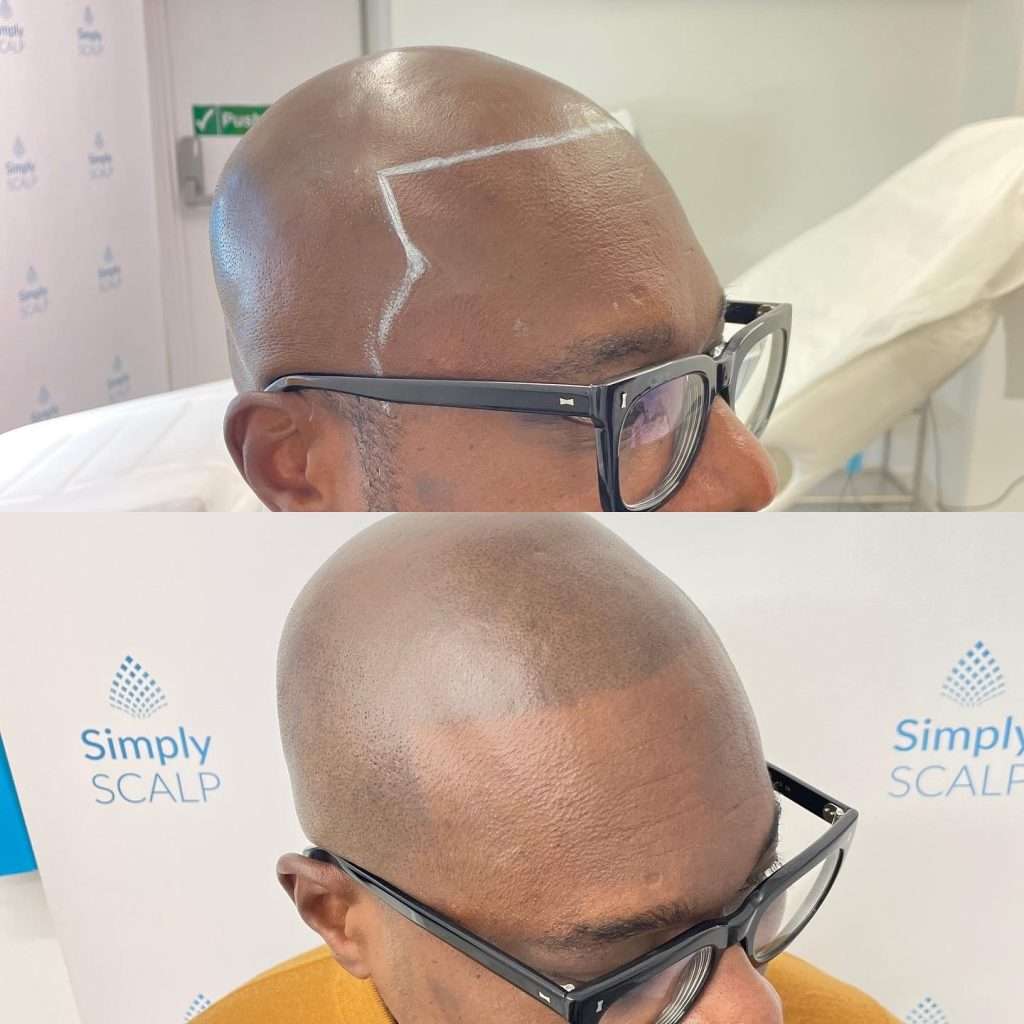
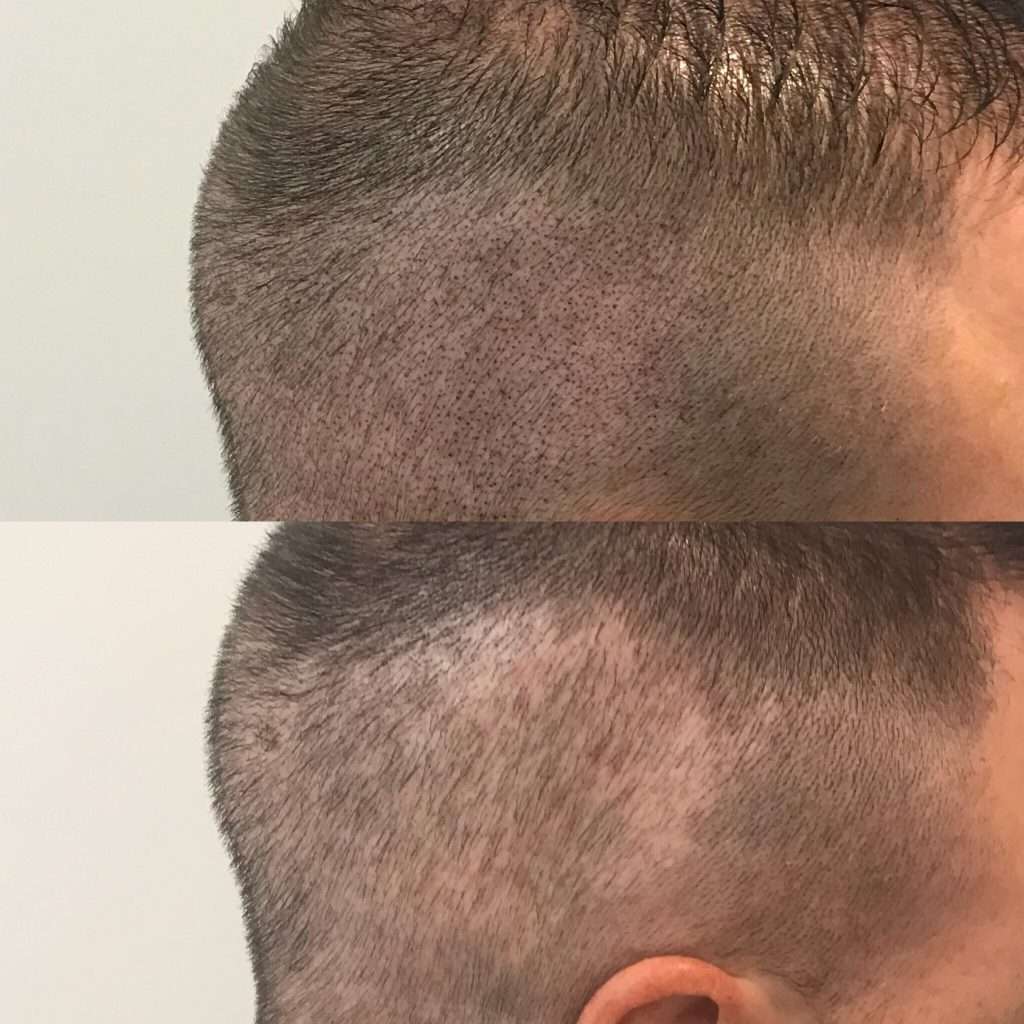
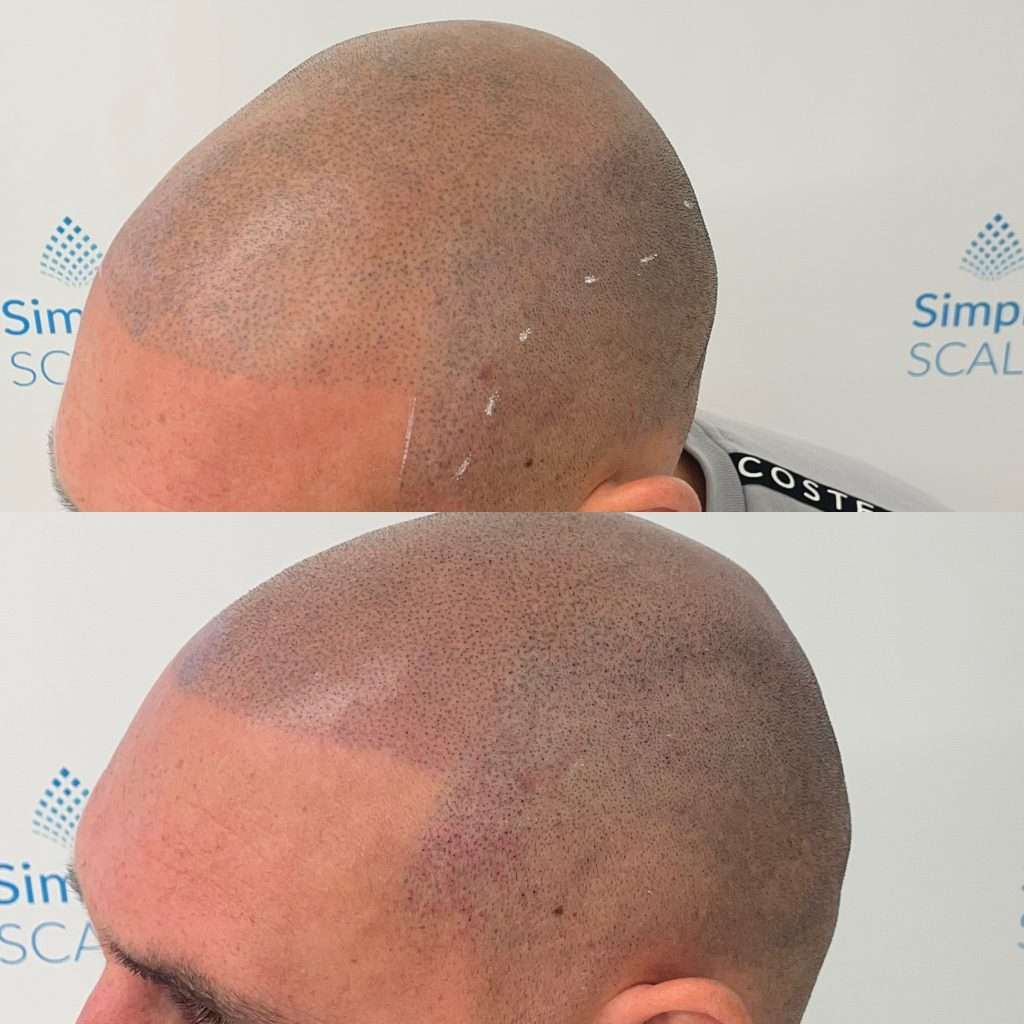
Scalp Micropigmentation (SMP) is a non-surgical cosmetic treatment designed to reduce the appearance of hair loss. By carefully placing pigment into the scalp, the treatment replicates the look of natural hair follicles, creating the impression of a fuller head of hair or added density.
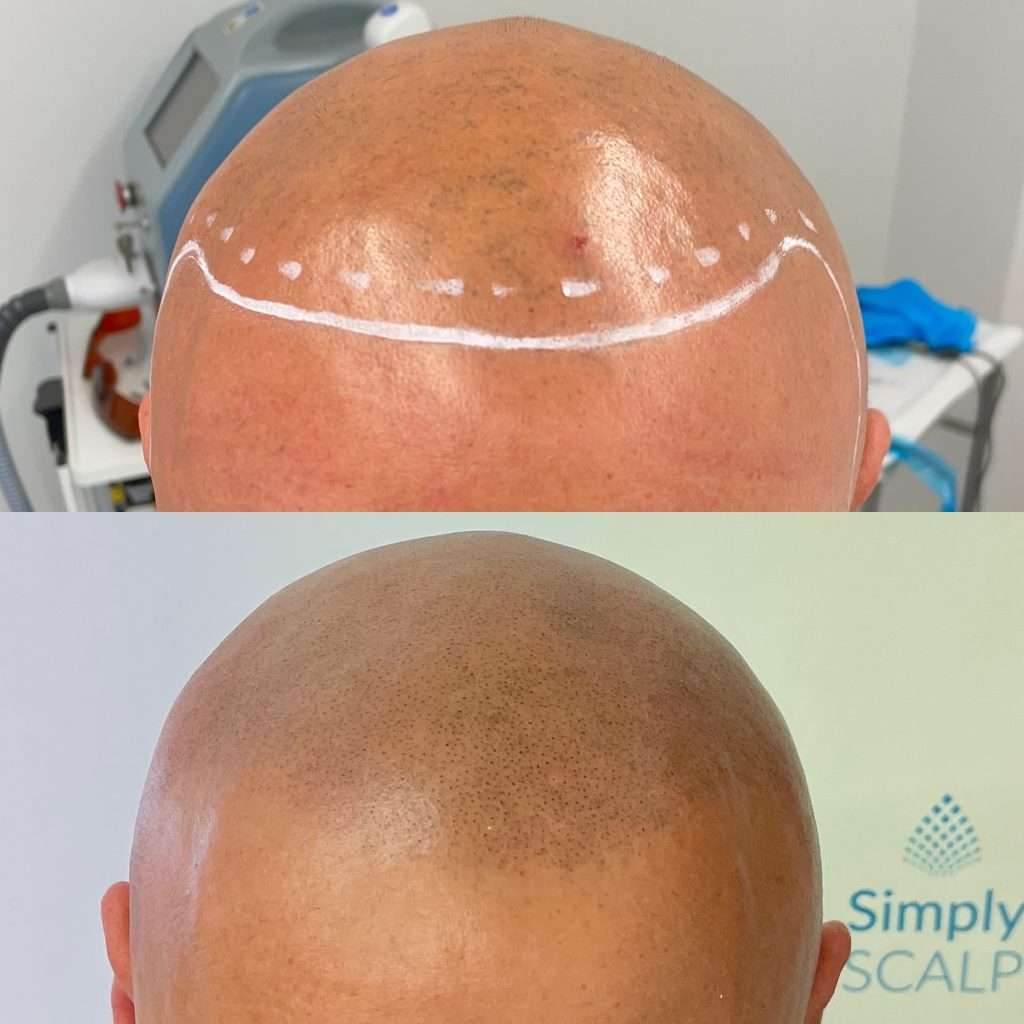
At Simply Scalp, SMP is tailored to suit a range of hair loss patterns in both men and women. It can be used to restore hairlines, improve thinning areas through density enhancement, alopecia camoulage or soften the appearance of scars. You can explore examples of real client transformations in our results gallery.
Why Choose Scalp Micropigmentation?
Many traditional hair loss treatments involve invasive surgery, ongoing medication, or temporary cosmetic solutions. Hair transplants may leave visible scarring, while drug-based treatments such as finasteride or minoxidil often require long-term use and may not suit everyone. Concealers and hair systems can also require continuous maintenance.
Scalp micropigmentation offers a low-maintenance alternative that delivers long-lasting visual improvement without surgery. It is particularly effective for clients seeking density treatment, shaved-style results, alopecia or scar camouflage following transplant procedures.
For further information about suitability and what to expect, please see our FAQs.
How Long Does SMP Take?
Scalp micropigmentation is typically completed over two to four short treatment sessions, depending on the area being covered and the desired result. Each session builds gradually to create a natural, balanced appearance.
Results are visible immediately following treatment, with further refinement achieved during follow-up sessions. During your consultation at Simply Scalp, a personalised treatment plan will be discussed in detail.
How Can This Treatment Help?
Hair loss presents differently for everyone. For some, it is genetic pattern balding; for others, it may be linked to alopecia, hormonal changes, stress, or previous surgery. SMP works as a highly effective cosmetic camouflage, improving the appearance of thinning or balding areas.
At Simply Scalp, treatments are also used to soften the appearance of transplant scars and restore visual balance to the scalp. Each case is assessed individually to ensure realistic planning and natural-looking results.
Frequently asked questions:
Most clients describe the sensation as tolerable, similar to light scratching or tingling across the scalp. Discomfort varies depending on the area being treated and individual sensitivity. Some parts of the scalp, particularly around the hairline or crown, can feel more tender. Breaks are offered during longer sessions, and the process is adjusted to keep you comfortable. Numbing options are not typically used, as the sensation is manageable for most people, but you can discuss any concerns during your consultation before the first appointment.
Many clients return to work the next day, as the scalp usually shows only minor redness that fades within hours. There's no significant downtime, though the treated area may feel slightly sensitive for a day or two. If your work involves heavy physical activity, outdoor labour, or wearing helmets or hats that rub the scalp, it's worth waiting a few days to avoid irritation during early healing. Office-based roles or environments where you won't be sweating or exposing your scalp to friction are generally fine to resume immediately.
Yes, you can continue shaving as normal once the initial healing period of around five to seven days has passed. Avoid shaving directly over the treated area during the first week, as the skin needs time to settle and any pressure or friction can disrupt healing. After that, electric clippers or razors can be used carefully. Keeping your hair short actually helps the treatment blend more naturally, as the tattooed dots are designed to mimic a freshly shaved appearance. Just be gentle and avoid dragging the blade across any areas that still feel tender.
The pigment is formulated to fade gradually rather than shift to an unnatural tone, though slight warmth or coolness can develop depending on your skin chemistry and aftercare habits. Most colour change is minimal if the scalp is protected from excessive sun exposure and the work is refreshed periodically. If you notice the pigment becoming too light, ashy, or uneven, a top-up session can correct the tone and restore consistency. The pigments used are specifically designed for scalp work, which helps minimise colour drift compared to traditional tattoo inks.
Most clients see the best results after three to four sessions spaced four to six weeks apart, though this depends on your skin concerns and goals. A single treatment can produce visible improvement, but cumulative sessions allow deeper remodelling and more sustained change. Your practitioner will recommend a treatment plan during your consultation based on your skin condition, age, and the outcomes you're hoping to achieve.
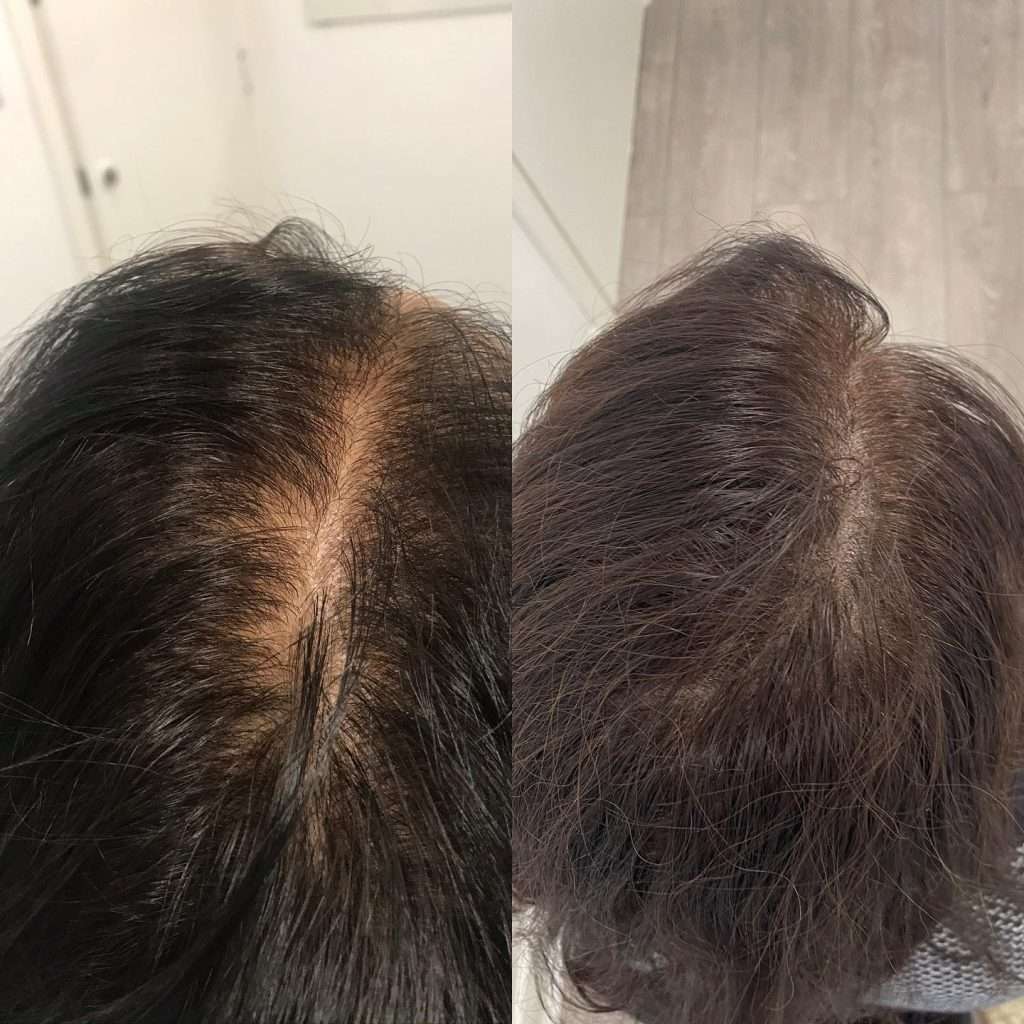
Yes, the treatment can be applied between existing hair to create the appearance of greater density and reduce the contrast between hair and scalp. This approach is commonly used for thinning areas, receding hairlines, or patchy coverage where the scalp shows through. The pigment is carefully placed to blend with your natural hair colour and pattern, so it looks like there's more hair present than there actually is. It works best when the hair is kept relatively short, as longer hair can obscure the tattooed dots and reduce the visual effect. A consultation will assess whether your current hair length and distribution are suitable for the treatment.
Get In Touch
Please fill out the enquiry form and provide as much detail as possible and we’ll get back you shortly.