
Scalp Micropigmentation For Alopecia
A trusted non-surgical solution for alopecia in South London.
How SMP Supports Alopecia Treatment

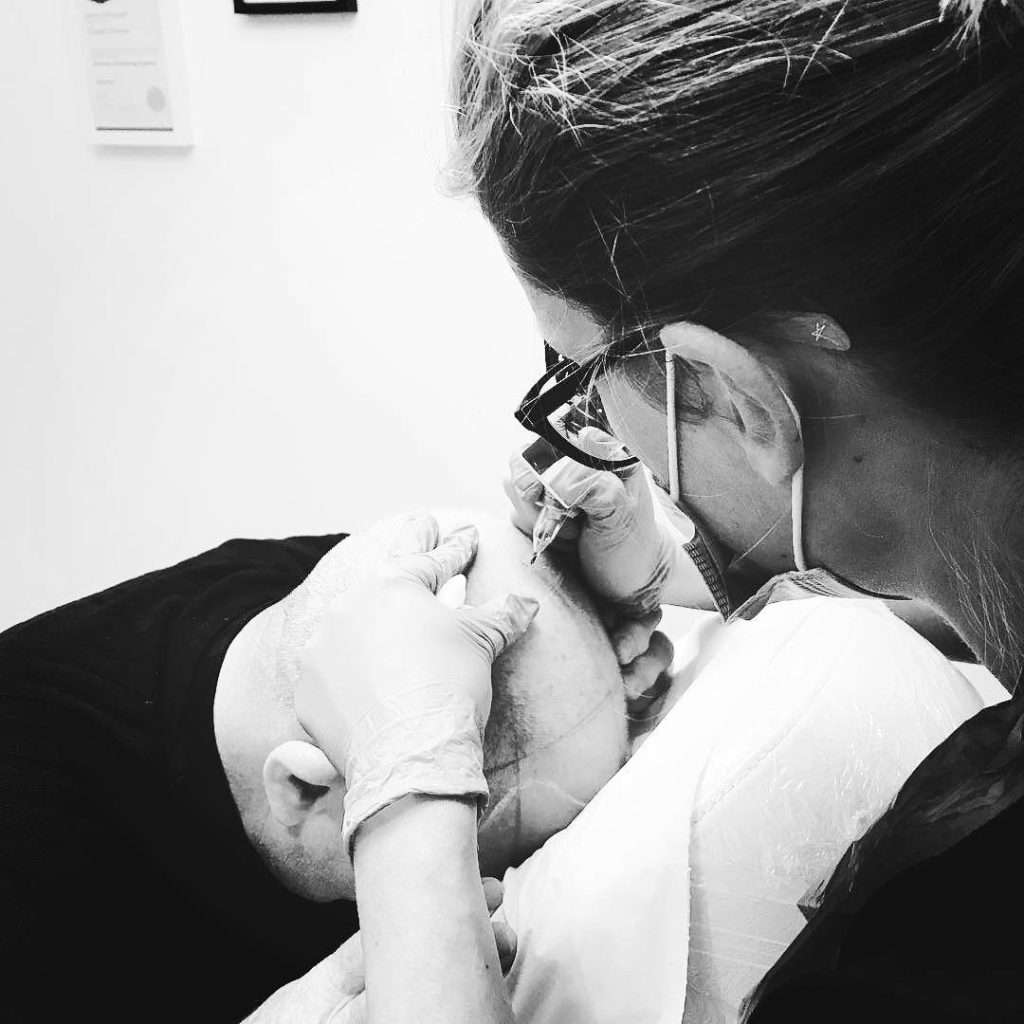
Living with alopecia can be challenging, particularly when it affects your confidence and sense of self. At Simply Scalp in Purley, South London, we offer scalp micropigmentation (SMP) as a carefully planned, non-surgical solution for both men and women experiencing Alopecia Areata, Totalis or Universalis.
SMP works by placing precise pigment impressions into the scalp to replicate the appearance of natural hair follicles. This reduces the visual contrast between bare skin and remaining hair, helping to create a balanced, consistent appearance. Whether you have small areas of patchy thinning or more extensive hair loss, treatment is tailored to your individual pattern for a natural and seamless result. You can view examples of completed treatments in our results gallery.
Unlike temporary concealers, SMP offers long-lasting visual improvement, with results typically maintained through periodic top-ups. Book a consultation at Simply Scalp in South London to explore whether this treatment is suitable for you.
Restoring Visual Balance After Alopecia
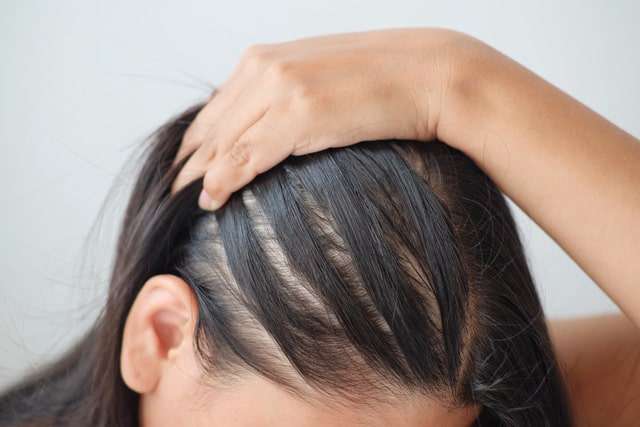
Hair loss caused by alopecia often creates uneven patches that draw attention due to contrast against surrounding hair. Scalp micropigmentation works by softening this contrast, placing micro-pigment in affected areas to create the impression of closely cropped hair beneath the surface.
The treatment does not replace follicles or alter hair texture, but it changes how light reflects across the scalp. By restoring visual balance, areas of hair loss appear less defined and more integrated with the overall hair pattern. Where scarring is present, treatment may also incorporate scar camouflage techniques to improve overall consistency.
Is SMP Suitable for Your Alopecia?
SMP can be effective for individuals living with alopecia areata, traction alopecia, or stable scarring alopecia. However, treatment is best performed when the scalp condition is stable and not in an active inflammatory phase. During consultation, your scalp health, medical history, and expectations are discussed in detail to confirm suitability. For further information about the process and aftercare, please refer to our FAQs.
If alopecia patterns change over time, additional sessions can be planned to maintain consistency. Treatment plans are always adapted to ensure realistic, natural-looking outcomes.
Frequently asked questions:
It's generally best to wait until your condition has stabilised before beginning treatment. Active inflammation or frequent flare-ups can interfere with how pigment settles and heals, leading to patchy retention or uneven fading. If new patches are still forming regularly, it may be worth discussing timing with both your dermatologist and the practitioner. Once the scalp has been stable for several months, the treatment becomes much more predictable and the results tend to last longer without needing frequent adjustment.
Pigment is matched to your current hair colour at the time of treatment. If your hair goes grey or lightens naturally over time, the tattooed areas may appear slightly darker in contrast. A colour adjustment session can be arranged to soften or lighten the pigment so it continues to blend with your evolving hair tone. This is a normal part of long-term maintenance and is typically straightforward to manage during a follow-up appointment.
The treatment can be adapted for a wide range of skin tones, but results depend on the contrast between your scalp and hair colour. Very pale skin with light blonde or white hair may not achieve enough contrast for the pigment to read as natural stubble. Similarly, very deep skin tones paired with black hair can work beautifully, but require precise pigment selection to avoid a blue or ashy appearance. A consultation will assess whether your specific combination is likely to produce a result you'll be happy with.
You can resume most daily activities immediately, but the scalp needs protection during the first week. Avoid heavy sweating, swimming, saunas, and direct sun exposure for at least ten days. You can wash your hair gently after twenty-four hours using a mild, fragrance-free cleanser. Avoid scrubbing or picking at any scabs that form, as this can pull pigment out and lead to uneven healing. Most clients return to work the next day without issue, though some redness or tenderness may be visible for a few days.
Yes, but timing matters. If you're using minoxidil, steroid creams, or other prescribed treatments, discuss this during your consultation. Some products may need to be paused briefly around your appointment to avoid irritation or interference with healing. Once the scalp has fully healed—usually after four weeks—you can resume your usual regimen. The pigment won't block follicles or prevent regrowth, and many clients continue using hair loss treatments alongside the camouflage work without any conflict between the two approaches.
If new patches develop or existing areas expand, additional pigment can be applied to match the updated pattern. The original work remains in place, and new sections are blended in to maintain a consistent look across the scalp. This flexibility is one of the key advantages of the treatment—it can be adjusted over time as your condition evolves. A follow-up consultation will determine how much additional work is needed and whether the existing pigment tone still matches your current hair colour.
Get In Touch
Please fill out the enquiry form and provide as much detail as possible and we’ll get back you shortly.