One of the most common questions I hear from clients considering SMP is straightforward: does SMP hurt? It is a fair question. You are having needles applied to your scalp, and nobody wants to walk into a procedure without knowing what to expect. I want to give you an honest, no-nonsense answer about scalp micropigmentation pain based on my experience delivering hundreds of treatments.
The short version is that the discomfort is real but manageable. Most clients describe the sensation as mild to moderate, and it rarely prevents anyone from completing their session comfortably. Let me walk you through exactly what happens, how it compares to other procedures, and the steps I take to keep you as relaxed as possible.
What does SMP actually feel like
The sensation during SMP is often compared to a light scratching or tapping on the scalp. The needles used are finer than those in traditional body tattooing, and the pigment is deposited into the upper dermal layer rather than deeper into the skin. This makes the process inherently less intense than a conventional tattoo.
That said, everyone experiences micropigmentation discomfort differently. Some clients barely flinch, while others find certain areas of the scalp more sensitive than the rest. The temples, the crown, and areas close to the ears tend to register more sensation. The back of the head and the top are usually the most comfortable zones.
What I always tell clients is that the discomfort is consistent and predictable. There are no sudden sharp surprises. Once you settle into the rhythm of the session, most people find it entirely tolerable. Many clients chat throughout, listen to music, or even doze off.
How SMP compares to other cosmetic procedures
If you have ever had a traditional tattoo, you will likely find scalp micropigmentation noticeably less painful. The needles penetrate to a shallower depth, and the scalp, while sensitive in places, is generally less reactive than areas like the ribs, feet, or inner arm.

Compared to procedures like microneedling or even a standard blood test, most clients rank their hair tattoo experience somewhere in the mild-to-moderate range. I have had clients who were genuinely anxious beforehand tell me afterwards that the anticipation was far worse than the reality.
It is also worth noting that SMP sessions are typically completed across two or three appointments. Each session usually lasts between two and four hours. Because the work is built up gradually, no single session pushes your tolerance to its limit. This staged approach also allows me to refine the result and ensures your scalp has time to heal between treatments.
Numbing options and comfort management at Simply Scalp
I take micropigmentation discomfort seriously. My goal is for every client to have a calm, controlled experience. I use a topical numbing cream applied before the session begins and allow adequate time for it to take full effect. During the treatment, I can reapply as needed.
Beyond numbing, I manage comfort through technique. I adjust needle speed, depth, and pressure based on how your skin is responding. Every scalp is different, and my approach is tailored to you rather than following a rigid formula.
Hydration matters too. I recommend clients arrive well hydrated and having eaten beforehand. Avoiding alcohol and caffeine for twenty-four hours before your appointment helps reduce skin sensitivity. These small steps make a genuine difference to how the session feels.
If you are someone who finds medical or cosmetic procedures particularly stressful, just mention this during your consultation. I work on my own at my clinic in Purley, South London, so there is no pressure from a busy schedule or other practitioners. I can adjust the pace and take breaks whenever you need them.
What to expect across your sessions
The first session is usually where you notice scalp micropigmentation pain the most. Your scalp has not been exposed to this type of stimulation before, so everything feels new. By the second and third sessions, most clients report that the process feels less intense. Whether that is physiological adaptation or simply knowing what to expect, the result is the same: it gets easier.

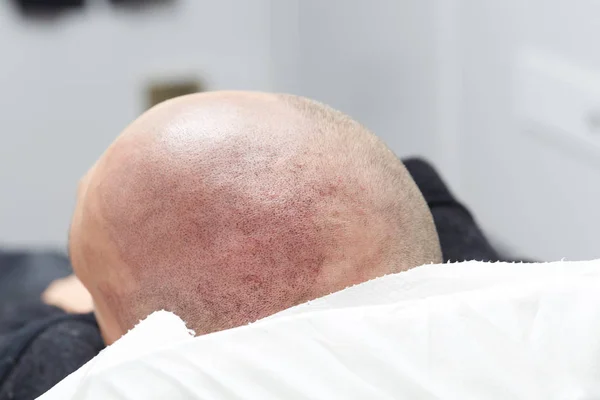
After each session, you may experience mild redness and slight tenderness, similar to light sunburn. This typically subsides within a day or two. I provide detailed aftercare guidance to support healing and protect the pigment.
Ultimately, does SMP hurt enough to put you off? In my experience, no. The vast majority of clients tell me the result was worth every moment. If worrying about discomfort is the only thing holding you back, I would love for you to book a consultation so we can chat through your concerns in detail.
Frequently Asked Questions
Does SMP hurt more than a regular tattoo?
Most clients find SMP significantly less painful than a traditional tattoo. The needles are finer and penetrate to a shallower depth in the skin. While you will feel a scratching or tapping sensation, it is generally milder and more consistent than body tattooing. Sensitive areas like the temples may register slightly more.
What numbing options are available during scalp micropigmentation?
At Simply Scalp, I apply a topical numbing cream before each session and allow sufficient time for it to activate. During treatment, I can reapply as needed to maintain comfort. Combined with careful technique adjustments, most clients find the micropigmentation discomfort very manageable throughout the entire appointment.
Which areas of the scalp are most sensitive during SMP?
The temples, areas near the ears, and the crown tend to be the most sensitive zones. The top and back of the head are usually more comfortable. Sensitivity varies between individuals, and I adjust my technique and pace based on how each area of your scalp responds during treatment.
Does scalp micropigmentation pain decrease with each session?
Yes, most clients report that the second and third sessions feel less intense than the first. Your scalp acclimatises to the process, and knowing what to expect reduces anxiety. I also tailor numbing and technique to your specific needs, which helps make each subsequent appointment more comfortable overall.
How can I prepare to reduce discomfort before my SMP appointment?
Arrive well hydrated and ensure you have eaten a proper meal beforehand. Avoid alcohol and caffeine for twenty-four hours before your session, as both can increase skin sensitivity. Getting a good night of sleep also helps. These simple steps make a noticeable difference to how comfortable the treatment feels.