
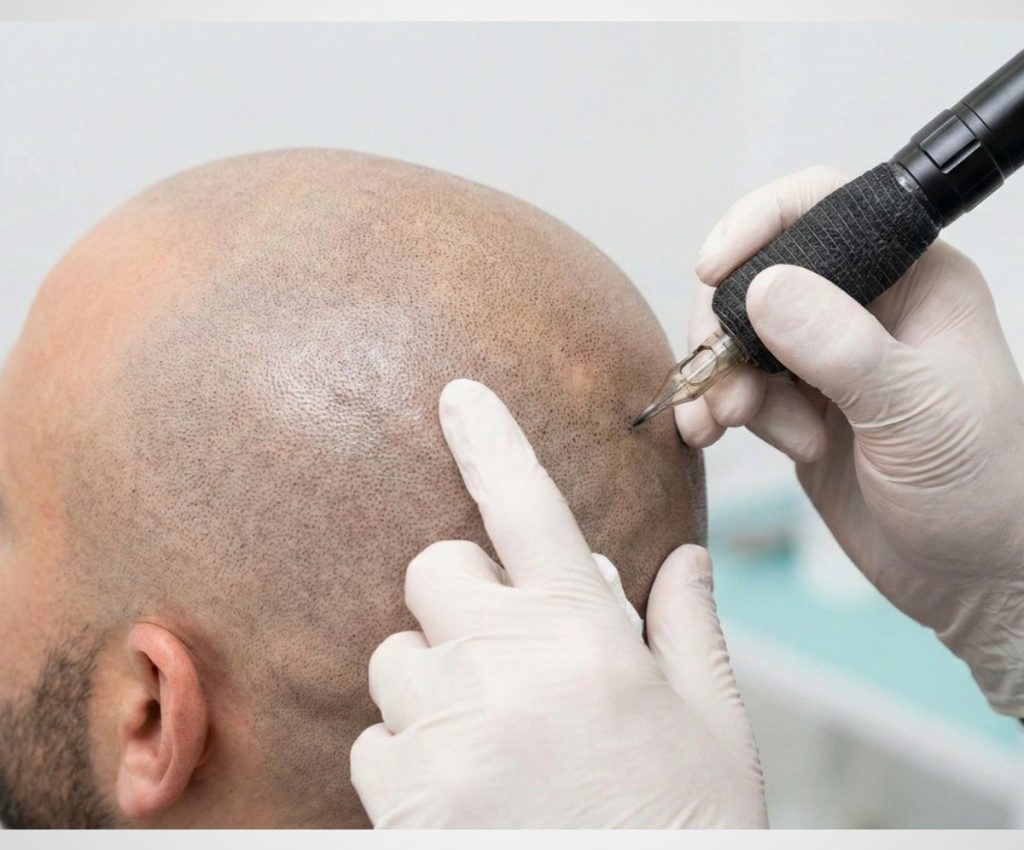
If you’re searching for the best SMP clinic in London, you’re probably already doing your research, and that’s a great sign. Scalp micropigmentation is a long-term investment in your confidence and your appearance, so choosing the right clinic matters enormously.
I’m Charlotte Drinkwater, founder of Simply Scalp, and I’ve seen first-hand what separates a truly excellent SMP experience from one that leaves clients disappointed. This guide walks you through exactly what to look for, step by step.
Why Choosing the Right SMP Clinic in London Is So Important
London has no shortage of clinics offering scalp micropigmentation, but quality varies widely. SMP is a semi-permanent cosmetic procedure that involves depositing pigment into the scalp to replicate the appearance of hair follicles. Done well, it’s incredibly natural-looking and life-changing. Done poorly, it can look unnatural, fade badly, or require costly correction work.
The decision you make now directly affects how you look and feel for years to come. So let’s break down what genuinely matters when evaluating SMP clinics in London.
Step 1: Look at the Portfolio, Honestly
The first thing I always tell anyone considering SMP is to study the portfolio. Not just the hero shots, but the variety of cases. A reputable clinic should be able to show you:
- Results across different skin tones and scalp types
- A range of hair loss patterns, from a receding hairline to full crown coverage
- Healed results, not just fresh post-treatment photos
- Consistent hairline design quality across multiple clients
Fresh SMP can look crisp on anyone. The real test is how it heals and settles after a few weeks. Always ask to see healed photos specifically. If a clinic can’t provide them, that’s worth noting.
Step 2: Assess the Practitioner’s Training and Experience
This is non-negotiable. SMP is a skilled, specialised technique, and your SMP practitioner should have dedicated, focused training in scalp micropigmentation specifically, not just general cosmetic tattooing.
Ask the clinic directly:
- How long has the practitioner been performing SMP?
- How many procedures have they completed?
- What specific SMP training have they undergone?
- Do they specialise exclusively in SMP, or is it one of many services?
At Simply Scalp, SMP is all we do. That focus matters. A practitioner who dedicates their entire practice to scalp micropigmentation will always have a higher level of skill and refinement than someone offering it alongside dozens of other treatments.
Step 3: Evaluate the Consultation Process
A high-quality SMP clinic will never rush you into a booking. The consultation is where trust is built and where your individual needs, skin type, hair loss pattern, lifestyle and expectations are all properly assessed.

A thorough consultation should cover:
- An honest assessment of your current hair loss and scalp condition
- A discussion about realistic outcomes for your specific situation
- Hairline design that suits your face shape, age and preferences
- A clear explanation of the full treatment process and number of sessions required
- Aftercare guidance and long-term maintenance expectations
If a consultation feels rushed, generic or sales-focused, trust your instincts. You deserve an experience that’s tailored to you.
Step 4: Understand the Pigment and Equipment Used
Not all SMP pigments and equipment are created equal. The pigments used in scalp micropigmentation must be specifically formulated for the scalp and for the look of hair follicles. Standard tattoo ink behaves very differently and is not appropriate for SMP.
Quality SMP clinics will use:
- Pigments specifically developed for scalp micropigmentation
- Professional-grade equipment calibrated for fine, precise dot work
- Sterile, single-use needles for every session
At Simply Scalp, I use only premium, tried-and-tested pigments chosen for their ability to heal naturally on the scalp, hold their colour well and replicate the look of real follicles as accurately as possible.
Step 5: Check the Clinic’s Hygiene and Environment
This one sounds obvious, but it’s worth saying clearly. SMP involves puncturing the skin, which means hygiene is absolutely fundamental. A professional clinic should operate to the highest standards of cleanliness and infection control.
When visiting a clinic, look for:
- A clean, clinical environment that feels professional and well-maintained
- Visible use of disposable, single-use equipment
- Proper sterilisation and waste disposal practices
- Clear infection control protocols explained during consultation
Any clinic operating from a residential setting, a pop-up space or a location that doesn’t feel genuinely professional should raise questions. Your safety is always the priority.
Step 6: Read the Reviews, Not Just the Star Rating
Star ratings give you a quick snapshot, but the actual content of reviews tells you far more. Look for patterns across multiple reviews rather than focusing on a single five-star write-up.
Positive signals to look for in reviews:
- Clients mentioning how natural the results look in person
- Comments about the practitioner being attentive, skilled and reassuring
- References to the aftercare support provided
- Clients returning for their full course of sessions without complaint
It’s also worth checking platforms like Google and Trustpilot rather than only the clinic’s own website testimonials. Independent reviews are harder to curate and therefore more reliable.
Step 7: Understand How Many Sessions Are Required
A transparent and reputable clinic will be upfront about the number of sessions needed before you commit. SMP is always completed across multiple sessions. This allows the pigment to settle, the scalp to heal, and the density and tone to be built up gradually for the most natural result.

At Simply Scalp, all clients, regardless of their level of hair loss, require 3 sessions to achieve a complete, polished result. If a clinic is suggesting fewer sessions to lower the upfront cost, be cautious. The multi-session process exists for good clinical reasons, not as a way to increase revenue.
Step 8: Be Clear on Aftercare Support
The best SMP clinics don’t disappear once your treatment is done. Aftercare is a meaningful part of the process. Your scalp needs proper care between sessions and in the weeks following your final appointment to ensure the best possible outcome.
Good aftercare guidance should include:
- Clear written instructions on scalp care between sessions
- Advice on sun exposure, sweating and scalp washing
- Guidance on long-term maintenance to keep your SMP looking fresh
- Open access to your practitioner if questions or concerns arise
At Simply Scalp, I make sure every client leaves with full aftercare information and knows they can reach out to me directly if anything comes up. That relationship doesn’t end when your sessions do.
Step 9: Consider Location and Accessibility in London
London is a big city, and you’ll be attending 3 separate sessions over a number of weeks, so practical logistics matter. Think about:
- How easily the clinic is accessible by public transport
- Whether the location feels safe and easy to navigate
- Parking availability if you’re driving in
- Flexible appointment scheduling that fits around your life
A clinic that’s genuinely difficult to reach may cause unnecessary stress, particularly if you’re already feeling anxious about the procedure. Comfort and convenience do play a role in your overall experience.
Step 10: Trust Your Gut After the Consultation
After you’ve done all your research, reviewed the portfolios, attended the consultation and asked all the right questions, the final step is a simple one. Trust how the experience felt.
Did you feel heard? Did the practitioner take time to understand your goals? Did you feel confident in their expertise? Did the clinic feel professional and genuinely invested in your outcome?
If the answer to all of those is yes, you’re in good hands. At Simply Scalp, building that confidence and trust with every single client is something I take incredibly seriously. It’s not just about the treatment. It’s about the whole experience, from the first conversation to the final session and beyond.
Final Thoughts
Finding the best SMP clinic in London requires a bit of homework, but it’s absolutely worth the effort. The right clinic will have a skilled, experienced practitioner, a strong and honest portfolio, a thorough consultation process, premium materials and a genuine commitment to your results and wellbeing.
If you’d like to find out more about how Simply Scalp approaches scalp micropigmentation, or if you’d like to book a consultation, I’d love to hear from you. This treatment has the power to genuinely transform how you feel about yourself, and I take that responsibility seriously every single time.
Frequently Asked Questions
Q1: How do I know if an SMP practitioner is qualified?
A qualified SMP practitioner should be able to demonstrate specific, focused training in scalp micropigmentation, not just general tattooing or cosmetic training. Ask directly about their qualifications, how long they have been practising SMP specifically, and approximately how many procedures they have completed. A reputable practitioner will answer these questions openly and confidently. You can also look for affiliations with professional bodies, evidence of ongoing training, and a portfolio that demonstrates consistent, high-quality results across a range of clients and hair loss types. Transparency is a strong indicator of professionalism.
Q2: How many SMP sessions will I need?
At Simply Scalp, all clients require 3 sessions to achieve a complete and natural-looking result. This applies regardless of the extent of your hair loss. The multi-session process allows pigment to settle between appointments, the scalp to heal properly, and density and tone to be carefully built up in layers. This approach produces a far more refined, realistic outcome than attempting to achieve everything in fewer sittings. Any clinic suggesting the process can be completed in fewer sessions should be approached with caution, as this can compromise the overall quality of the result.
Q3: Does SMP hurt?
Most clients find scalp micropigmentation to be far more comfortable than they expected. Pain levels are generally very low, and the vast majority of clients at Simply Scalp manage the sessions without any issue. At Simply Scalp, we do not use any topical products to alter sensation during the procedure. The comfort levels our clients experience are achieved through skilled, gentle technique and taking time during the session to ensure you feel at ease. If you have concerns about discomfort, your GP or a suitable healthcare professional can advise you on any oral pain relief options that may be appropriate for you personally.
Q4: What should I look for in an SMP portfolio?
A strong SMP portfolio should showcase a genuine variety of cases, including different skin tones, scalp types, and levels of hair loss from early recession through to complete crown coverage. Crucially, look for healed results rather than only fresh post-treatment photos. Freshly applied SMP can appear impressive even when the technique is inconsistent, but it is the healed result that reveals the true quality of the work. You should also assess the hairline design across multiple clients. Natural, age-appropriate hairlines that suit the individual’s face shape are a sign of a skilled, thoughtful practitioner.
Q5: Is SMP in London expensive?
SMP pricing in London varies considerably between clinics, and it is worth understanding what influences that variation. Factors that affect cost include the experience and specialisation of the SMP practitioner, the quality of pigments and equipment used, the number of sessions included in the price, and the level of aftercare and support provided. It is generally advisable not to choose a clinic on price alone. A lower upfront cost can sometimes reflect lower quality materials, less experienced practitioners or fewer sessions than are genuinely needed. Investing in a reputable, experienced clinic from the outset is almost always more cost-effective than seeking correction work later.
Q6: How long does SMP last?
Scalp micropigmentation is a semi-permanent treatment that typically lasts several years before any significant fading occurs. Most clients can expect their SMP to remain looking fresh and natural for anywhere between three and six years, though this varies depending on individual factors such as skin type, sun exposure, and how well aftercare guidance is followed. Over time, a top-up session can be used to refresh the colour and maintain the definition of the treatment. Unlike a full repeat procedure, a maintenance top-up is generally straightforward and much less involved than the original course of sessions.