
What makes Nd:YAG laser so effective at removing SMP pigment?
You’ve got SMP that no longer looks right, or simply no longer feels right, and you want it gone. Whether it’s a hairline that’s aged poorly, pigment that’s shifted colour, or work you’re ready to move on from, laser removal is the most effective route. This article explains exactly how Nd:YAG laser targets carbon-based SMP pigments, what the treatment process looks like, and how to know whether removal or a correction is the better call.
Why Nd:YAG laser and carbon black pigment are almost made for each other
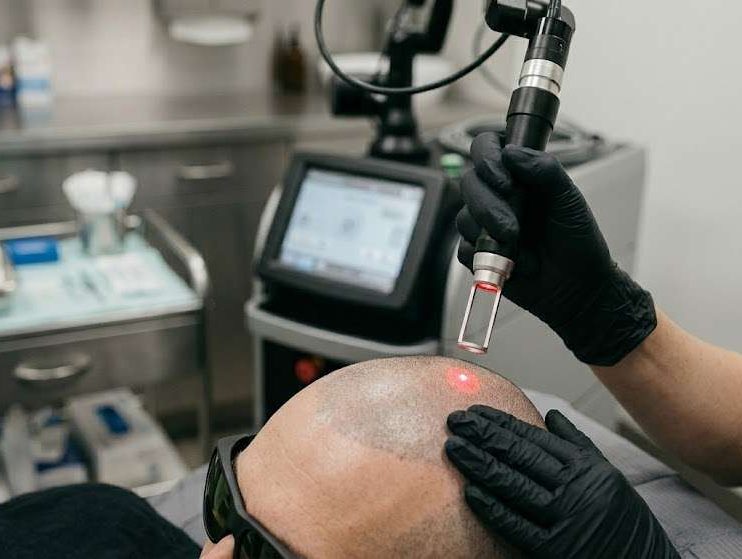
The Nd:YAG laser operates at a wavelength of 1064nm, which sits in the near-infrared spectrum. That wavelength is exceptionally well-absorbed by carbon black pigment, specifically CI 77266, the pigment that reputable SMP practitioners use as the foundation of their work. When the laser pulse hits the pigment, the energy converts to heat so rapidly that the pigment particle shatters: a process called photoacoustic fragmentation. Your immune system then clears the broken-down particles over the following weeks.
This is why pigment choice matters so much in SMP. Carbon black CI 77266 is purpose-built for this kind of removal. Tattoo inks, cosmetic pigments, and off-brand SMP products behave very differently under laser, and some are genuinely difficult to shift. If someone has used the wrong pigments in your SMP, that’s worth discussing at consultation before treatment begins.
The Q-switched Nd:YAG delivers energy in nanosecond pulses, fast enough to fragment pigment without damaging the surrounding tissue. Picosecond Nd:YAG devices, which fire even faster, are increasingly used for stubborn deposits or where finer targeting is needed. Both are appropriate for SMP removal, though the right choice depends on the pigment, the depth, and how far the work has spread.
What actually brings people in for SMP laser treatment
The reasons people seek SMP removal are more varied than most people expect. Some of the most common I see are hairlines drawn with too much definition, giving a hard, unnatural edge that doesn’t suit the face. Others involve blowouts, where pigment has bled beneath the skin and lost its dot-like structure, creating a blurred or smudged appearance. Discolouration is another frequent issue: SMP applied at the wrong depth or with the wrong pressure can shift to blue, green, or grey tones over time, particularly if non-carbon pigments were used.
Then there are clients whose SMP was technically competent but is simply no longer what they want. A hairline that suited them at 35 might feel too low at 45. Some clients want to lighten existing work before a fresh procedure using updated techniques and better-matched pigments. As SMP has evolved, older work can look dated even when nothing went technically wrong.
Poor scar camouflage, density work that reads as a solid block rather than individual follicles, inappropriate side profiles, and colour mismatches round out the most common presentations. None of these are permanent problems. With the right laser protocol, most can be significantly improved or fully cleared.
What the removal process actually involves
A consultation is always the starting point. I look at the pigment colour, depth, distribution, and skin type before recommending a treatment plan. Fitzpatrick skin type matters with laser: higher melanin levels require adjusted settings to protect the surrounding skin, and that requires experience, not guesswork.
I don’t use numbing cream as standard for SMP laser removal, because most clients find the sensation very manageable. It’s often described as a sharp flick or a brief sting rather than sustained pain. If you’d prefer to apply a topical numbing cream beforehand, that’s absolutely fine and I’ll advise you on timing and application.
Each session targets the pigment deposits with precise pulses. The treated area typically reddens immediately and may feel warm for a few hours afterwards. Over the following four to eight weeks, the fragmented pigment is cleared by the lymphatic system, and the result becomes visible. Most SMP removal cases need between three and eight sessions, spaced at least six to eight weeks apart to allow full immune clearance between treatments. Heavily saturated work, or SMP that covers scar tissue, may need more.
Aftercare is straightforward: keep the area clean, avoid sun exposure, and don’t pick or scratch any surface reaction. I go through all of this with every client so there are no surprises.
Why the practitioner’s qualifications matter more than the laser itself
Nd:YAG laser removal is a medical-grade procedure. The equipment is powerful, the margin for error is real, and unqualified or poorly supervised treatment can cause scarring, hypopigmentation, or burns. The laser is only as precise as the person operating it.
When choosing a laser removal specialist for SMP, look for a practitioner who holds a Level 5 qualification in laser tattoo removal and who has specific experience with SMP rather than general tattoo work. SMP sits in a different part of the skin than traditional tattoo ink, and the pigment profile is different too. A practitioner who also understands SMP as a discipline will read your existing work more accurately and calibrate accordingly.
Many experienced SMP artists are trained in removal themselves or work alongside a specialist they trust. If you’re considering a full correction rather than complete removal, a practitioner who can do both has a significant advantage: they can assess what needs to come out, how far to take the fading, and what the fresh procedure will require, all in one conversation.
Frequently Asked Questions
How many sessions does Nd:YAG laser SMP removal typically take?
Most SMP removal cases require between three and eight sessions, spaced six to eight weeks apart. The exact number depends on pigment density, depth, and how the work was originally applied. Heavily saturated SMP or work over scar tissue often needs more sessions, while lightly applied or faded SMP may clear in fewer treatments.
Is SMP laser removal painful?
Most clients describe it as a sharp flick or brief sting rather than sustained pain. Numbing cream isn’t used as standard because the majority of people find it very manageable, but if you’d prefer to apply a topical anaesthetic beforehand, that’s completely fine. You’ll be advised on the right product and timing before your appointment.
Can laser remove SMP that has turned blue or green?
Yes, though the ease of removal depends on what pigment was originally used. Carbon black CI 77266 responds well to Nd:YAG laser even when it has discoloured. Non-carbon or cosmetic pigments can be more resistant and may require a different laser wavelength or additional sessions. A consultation will determine the best approach for your specific case.
Do I need full removal or can laser just fade my SMP for a correction?
Laser can be used for targeted fading rather than complete removal, which is particularly useful for hairline adjustments, reducing density, or lightening old work before a fresh procedure. Partial fading gives a practitioner a better surface to work with. How many sessions this requires depends on how much lightening is needed and the original pigment depth.
Is Nd:YAG laser safe on darker skin tones?
The 1064nm Nd:YAG wavelength is one of the safer choices for darker Fitzpatrick skin types because it is less absorbed by melanin than shorter wavelengths. That said, settings must be carefully calibrated for each individual. This is exactly why practitioner experience matters: getting the fluence and pulse duration right on deeper skin tones requires proper training, not guesswork.