
SMP density results: what really changes, and when
You’ve still got hair, but it looks thin. You can see scalp through it, especially in certain light, and it’s been quietly bothering you for longer than you’d like to admit. This article walks through what SMP density treatment actually does to that, with honest before-and-after context across different hair colours, thinning stages, and timelines. By the end, you’ll know exactly what to expect.
What density SMP actually does to your hair
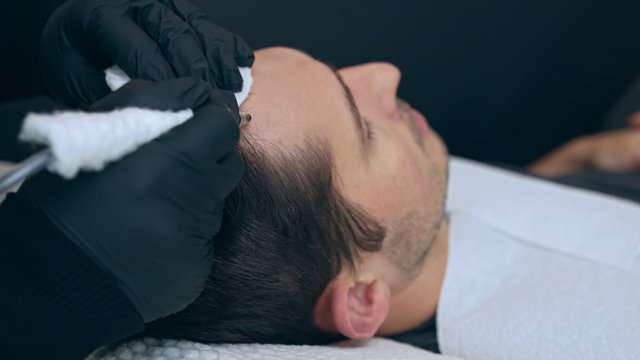
SMP density treatment works by placing tiny pigment deposits between your existing hair follicles. Each dot is sized and coloured to match your natural hair, so it blends into the scalp rather than sitting on top of it. The result is that the gaps between hairs visually disappear.
It doesn’t thicken each individual strand. What it does is reduce the contrast between your hair and your scalp, which is exactly what creates the appearance of thinning in the first place. Most clients are surprised by how immediate the change feels, even after session one.
This is different from a shaved-head SMP treatment. Density SMP is specifically for men who want to keep their hair length and simply restore the look of fullness. The pigment sits within your existing hair, not as a standalone design.
Before and after: what changes across different hair colours and stages
The honest answer is that results vary depending on two things: how much hair you still have, and how well the pigment colour is matched. Both matter enormously.
For men with light brown or dark blonde hair in the early stages of thinning, a single session can produce a visible shift. The scalp becomes less prominent, particularly around the crown and temples where thinning tends to start. In before-and-after terms, the change reads as genuinely fuller hair rather than a treatment you can detect.
For darker hair, the contrast between scalp and hair is sharper, so the starting point often looks more pronounced in photographs. The good news is that the transformation tends to be equally dramatic. A well-matched dark pigment placed at the right density brings the scalp-to-hair ratio back into balance quickly. Most clients in this category notice the biggest shift after session two.
Grey hair requires the most careful colour matching. The pigment needs to sit in a specific tonal range: too dark and it creates artificial contrast; too light and it won’t read as density at all. When it’s done well, the before-and-after difference is still clearly visible, with the scalp receding visually even though the hair itself is unchanged.
Across all hair colours, clients at earlier thinning stages where coverage is still reasonable but the scalp is showing tend to achieve results that look indistinguishable from naturally thick hair. Those with more advanced diffuse thinning will still see a meaningful improvement, but the expectation is a significant enhancement rather than a complete reversal.
The treatment timeline: what progression actually looks like
Most density SMP treatments are completed over two to three sessions, spaced roughly four to six weeks apart. That spacing matters because it allows the skin to settle and gives a clear picture of how the pigment has healed before building on it.
After session one, the dots will appear slightly darker and more defined than the final result. That’s completely normal. The pigment softens as it heals and integrates into the skin, which is why photographs taken immediately after treatment aren’t representative of the end result. By around ten days post-session, you’re seeing a much more accurate preview.
After session two, most clients are at or very close to their target density. Some prefer a third session to refine specific areas, particularly the crown or hairline fringe where the thinning may have been more concentrated. This gets assessed at each follow-up rather than being booked automatically.
In terms of longevity, density SMP typically holds well for three to five years before a refresh is needed. Sun exposure is the main factor that accelerates fading, so protecting your scalp in strong sunlight extends the result considerably.
Practical things to know before you book
Numbing cream isn’t used as standard for density SMP. The sensation is manageable for most clients, and many find the scalp less sensitive than they expected. That said, if you’d prefer to apply a numbing cream beforehand, that’s completely fine and you’ll be given clear guidance on how to do that safely.
Aftercare in the first week is straightforward: keep the scalp dry, avoid heavy sweating, and don’t pick or rub the treated area. The pigment needs time to settle into the skin, and those first few days are where that happens.
If you’re considering laser tattoo removal to correct previous SMP work before a fresh density treatment, that’s a more common situation than most people realise and doesn’t have to be a complicated conversation. Specific training in SMP removal means it can be advised on directly.
The most useful thing you can bring to a consultation is honest photos in natural light. Not the flattering ones: the ones that show what’s actually bothering you. That’s what makes it possible to set accurate expectations and plan the right number of sessions from the start.
Frequently Asked Questions
How many sessions does density SMP take to see full results?
Most density SMP treatments are completed in two to three sessions spaced four to six weeks apart. After session two, the majority of clients are at or very close to their target result. A third session is sometimes used to refine specific areas like the crown, but it isn’t automatically required for every client.
Will the SMP pigment match my natural hair colour?
Colour matching is one of the most important parts of the process. The pigment is selected to blend with your existing hair, whether that’s dark brown, light blonde, or grey. For grey hair specifically, tonal accuracy is critical: the pigment needs to sit in exactly the right range to read as natural density rather than an obvious addition.
Does density SMP work for all stages of thinning?
Yes, though the outcome depends on how much hair remains. Men in early thinning stages tend to achieve scalp micropigmentation density results that look indistinguishable from naturally thick hair. Those with more advanced diffuse thinning will see a significant improvement in the scalp-to-hair ratio, but realistic expectations point to meaningful enhancement rather than a complete reversal of loss.
How long do scalp micropigmentation density results last?
Density treatment results typically hold well for three to five years before a top-up session is needed. The main factor that accelerates fading is sun exposure, so using SPF on your scalp in strong sunlight will extend the result noticeably. Skin type and aftercare habits also play a role in how the pigment holds over time.
Is a hair tattoo the same as density SMP?
The term hair tattoo is sometimes used to describe scalp micropigmentation broadly, but the techniques differ. Density SMP uses specialised equipment and pigment designed to mimic follicle dots between existing hair, specifically for men who want to keep their hair length. It’s a precision cosmetic procedure, not a conventional tattoo applied to the scalp.